

Once Upon a Time in Harlem
(2026)
dir. William Greaves, David Greaves
A Litany For Survival: the Life and Work of Audre Lorde
(1995)
dir. Ada Gay Griffin, Michelle Parkerson
Dreams in Nightmares
(2024)
dir. Shatara Michelle Ford
Compensation
(1999)
dir. Zeinabu irene Davis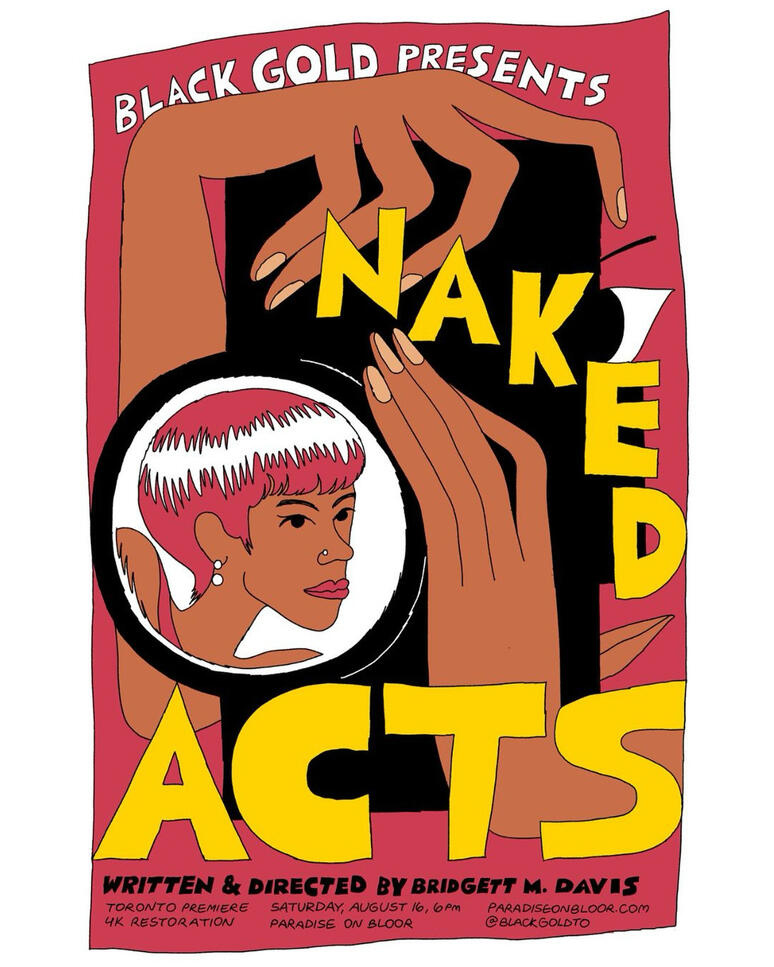
Naked Acts
(1996)
dir. Bridgett M. Davis
Personal Problems
(1980)
dir. Bill Gunn
The Giverny Document (Single Channel)
(2019)
dir. Ja'Tovia Gary
Recent Experimental Films by Black Women (2019)

Drylongso
(1998)
dir. Cauleen Smith
What You Gonna Do When the World's on Fire?
2018
dir. Roberto Minervini
School Daze
1988
dir. Spike Lee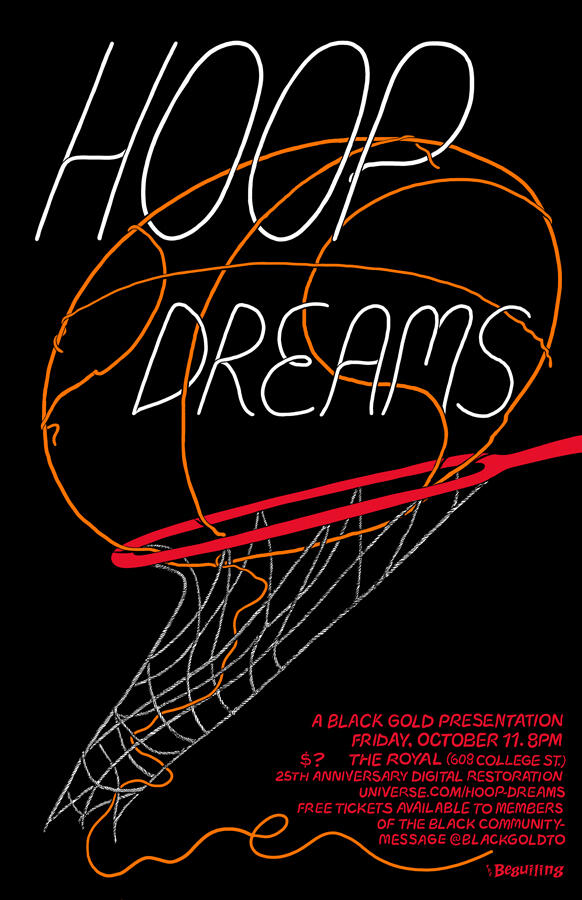
Hoop Dreams
1994
dir. Steve James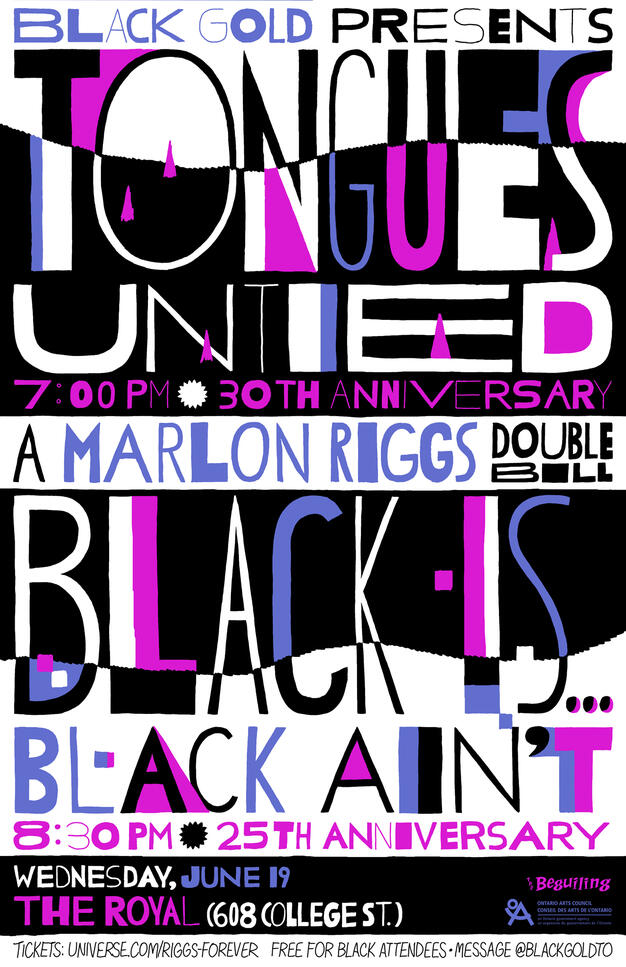
Tongues Untied (1989) & Black Is... Black Ain't (1994)
dir. Marlon Riggs
Hyenas
(1993)
dir. Djibril Diop Mambéty
Soleil Ô
(1970)
dir. Med Hondo
No Fear, No Die
(1990)
dir. Claire Denis
Black Orpheus
(1959)
dir. Marcel Camus
Hale County This Morning, This Evening
(2018)
dir. RaMell Ross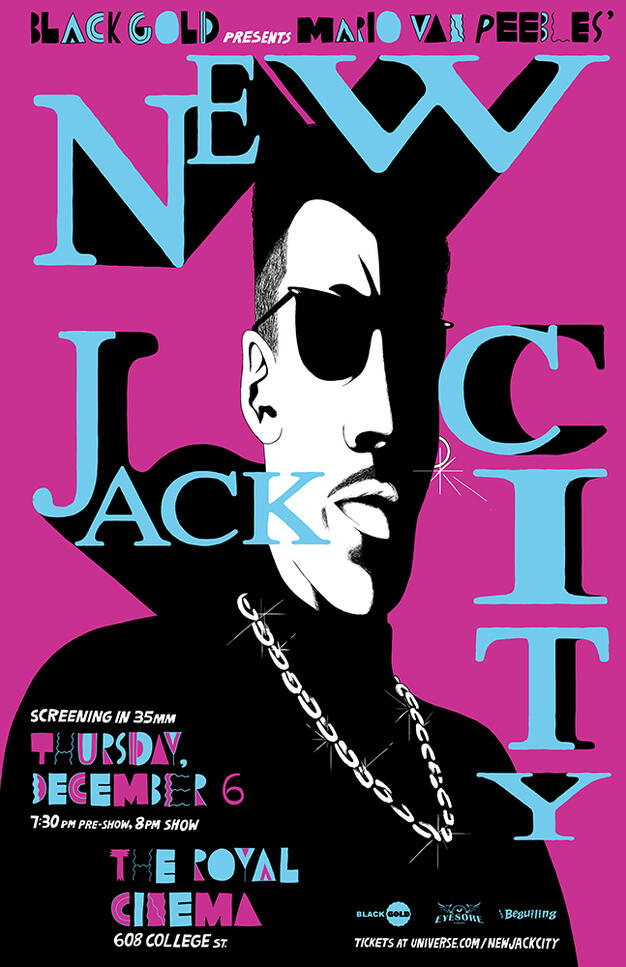
New Jack City
(1991)
dir. Mario Van Peebles
Shakedown
(2018)
dir. Leilah Weinraub
Ganja & Hess
(1973)
dir. Bill Gunn
Killer of Sheep
(1978)
dir. Charles Burnett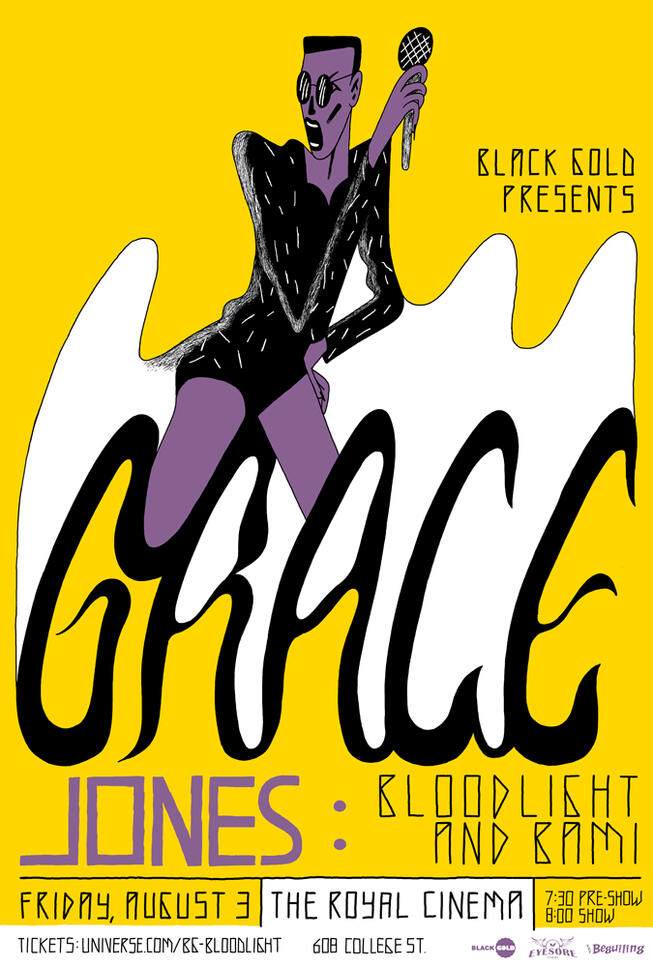
Grace Jones: Bloodlight and Bami
(2017)
dir. Sophie Fiennes
Crooklyn
(1994)
dir. Spike Lee
Young Soul Rebels
(1991)
dir. Isaac Julien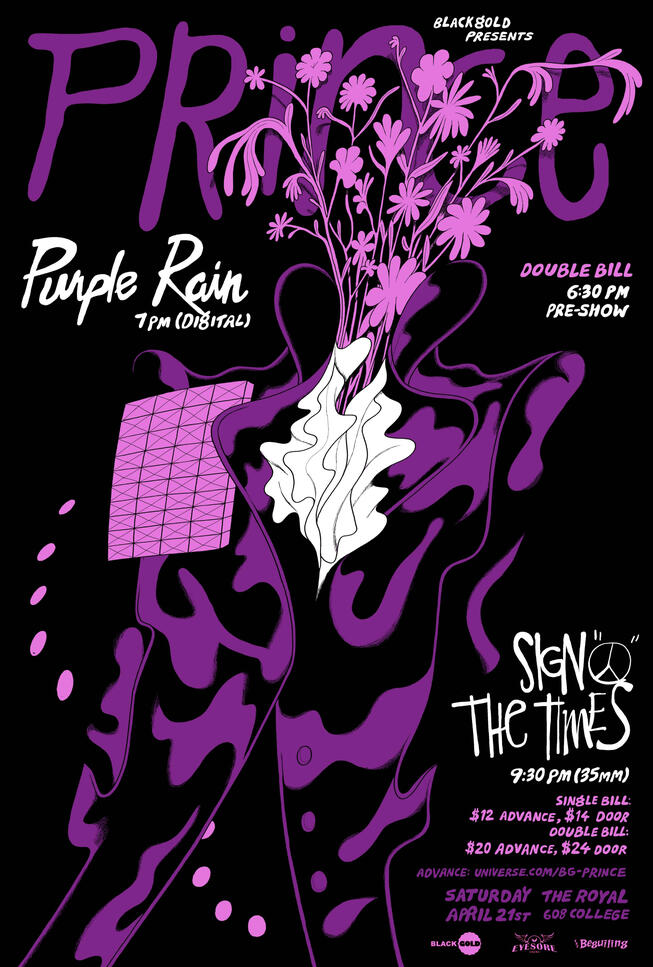
Purple Rain (1984) & Sign "☮" the Times (1987)
dir. Albert Magnoli
Touki bouki
(1973)
dir. Djibril Diop Mambéty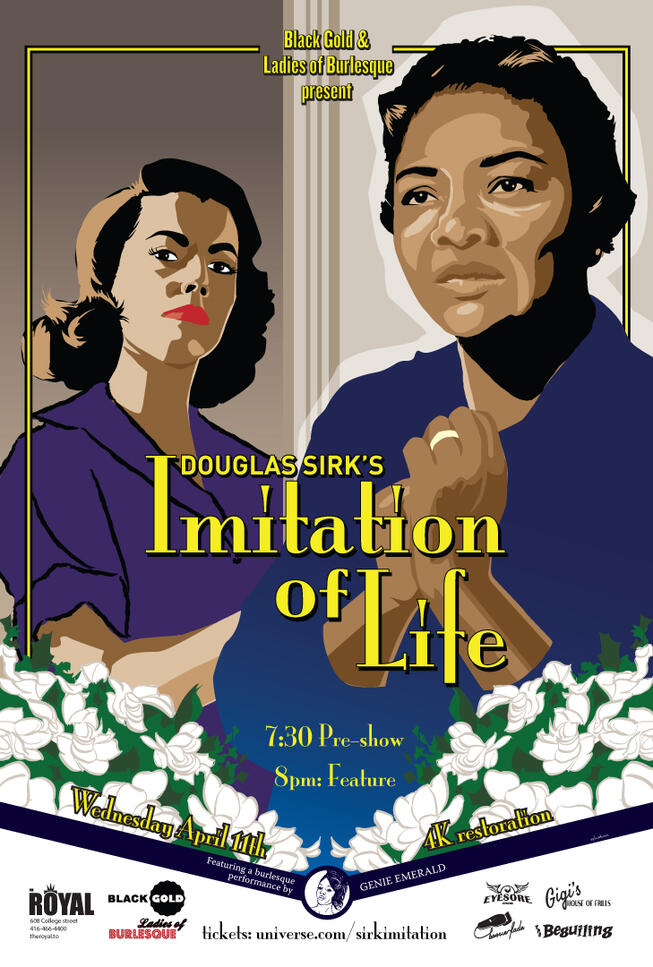
Imitation of Life
(1959)
dir. Douglas Sirk
Born in Flames
(1983)
dir. Lizzie Borden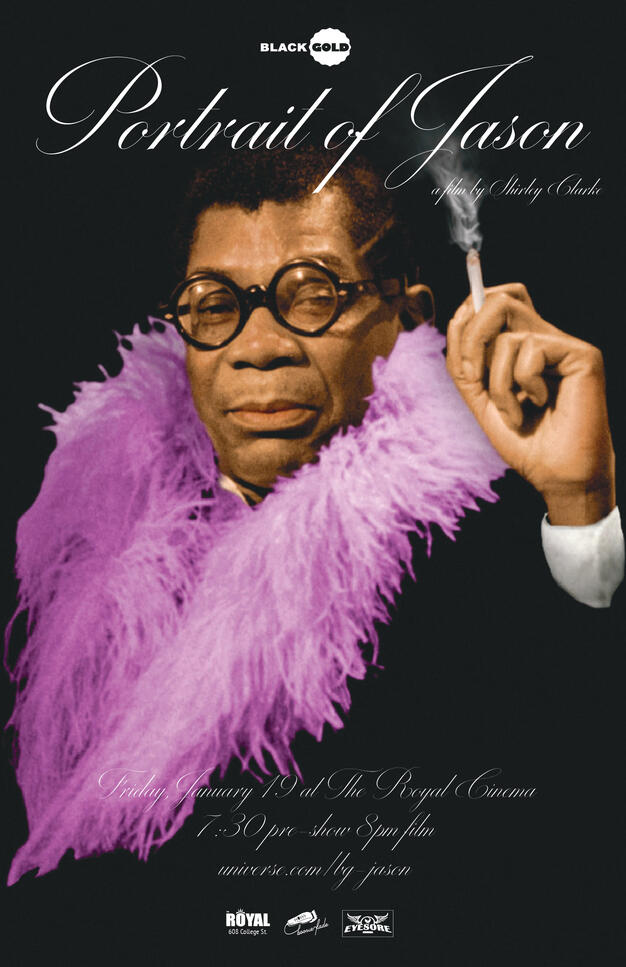
Portrait of Jason
(1967)
dir. Shirley Clarke
Space Is the Place
(1972)
dir. John Coney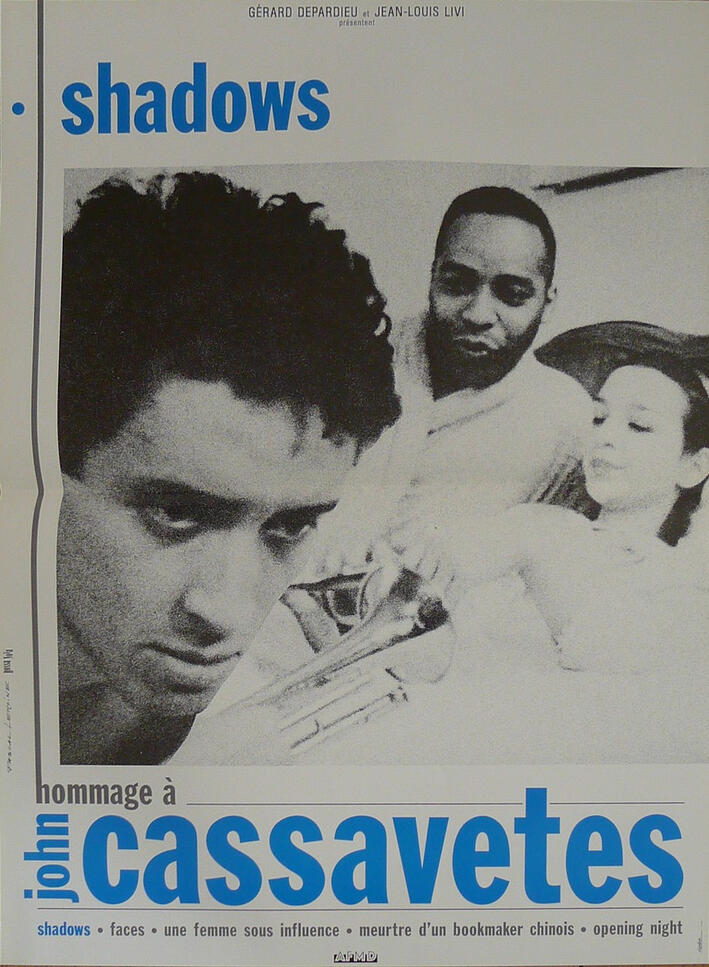
Shadows
(1959)
dir. John Cassavetes
Vamp
(1986)
dir. Richard Wenk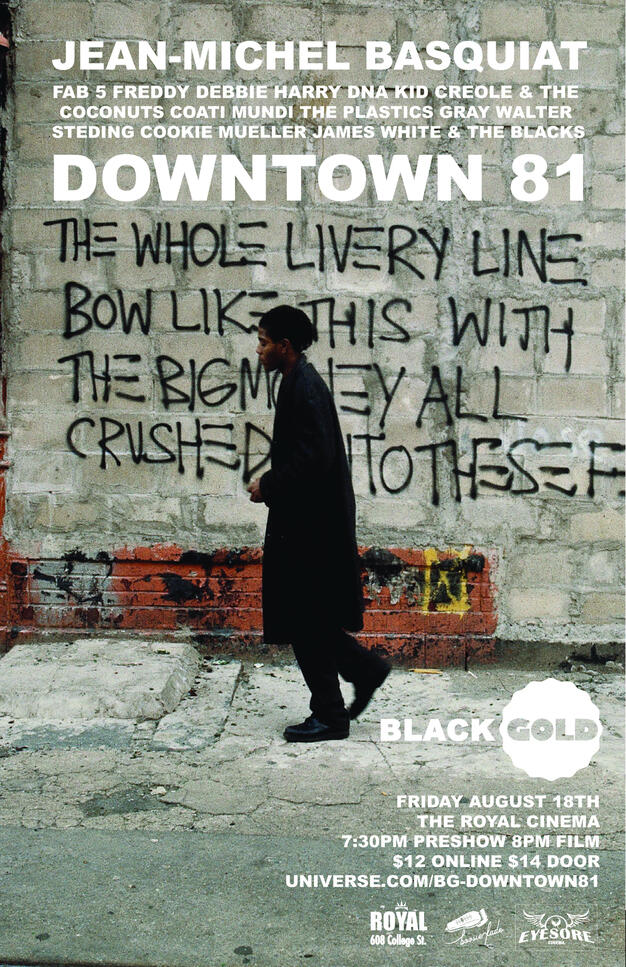
Downtown 81
(2000)
dir. Edo Bertoglio
Deep Cover
(1992)
dir. Bill Duke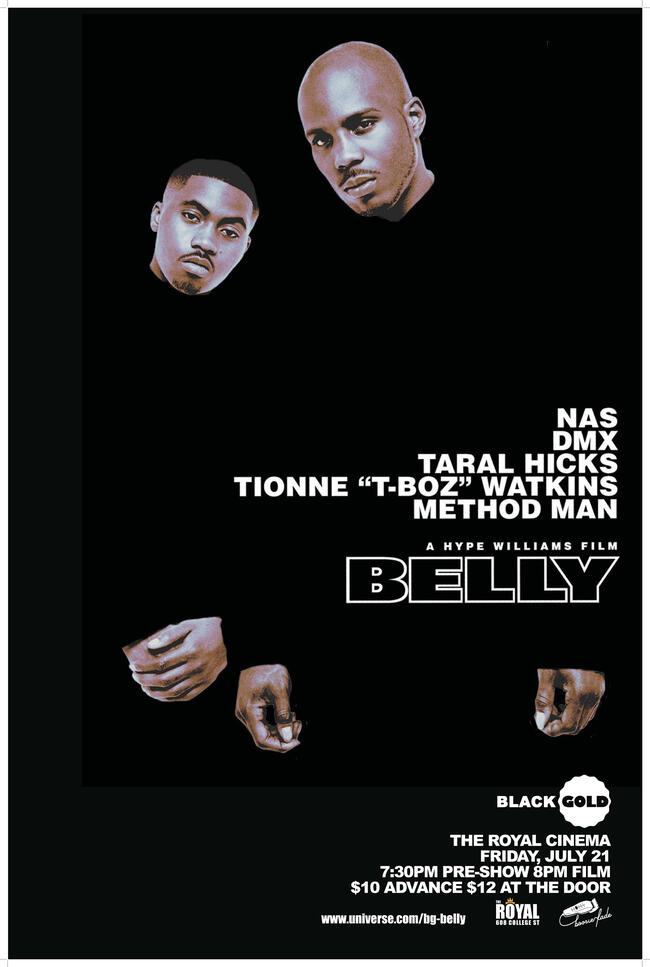
Belly
(1998)
dir. Hype Williams


Black Gold is a semi-monthly screening series dedicated to Black life onscreen in its full range of expressions — filmmaking that spans the experimental, independent, and mainstream. Since 2017, the series has held a home for audiences seeking more expansive, politically attuned images of Black life on screen — ones often unwilling to trade their complexity for an ease of legibility.Programmed by Sarah-Tai Black, Black Gold offers the cinema as a site of study, gathering, and care. Selections foreground the relationships — oft times liberatory, but sometimes fraught — between Black artistic production and interiority, kinship, world-making, and access.Black Gold also works to steward an accessible space that centers the ability of crip kin and low- and fixed-income Black folks to take part. Each screening is an invitation — for all of us — to encounter Black film as both archive and living practice.
Is the venue wheelchair accessible?
Yes! Paradise has a wheelchair-accessible washroom on site, as well as wheelchair-accessible spaces within the cinema.Do I need to wear a mask?
We kindly ask everyone attending the screening to wear a mask. Black communities continue to be disproportionately affected by the ongoing COVID-19 pandemic and the structural inequities it continues to deepen, and we want to help make the space safer and more welcoming for everyone in our community.KN95 and/or N95 masks will be available on site if you need one.Will the films be captioned?
Yes. To the best of our ability, all films will be captioned, including the use of CART (live transcription) for any virtual Q&As.I have another access need or question. Who can I contact?
Please feel welcome to reach out to either Black Gold or Paradise with any access needs, concerns, or questions. We’re happy to chat and will do our best to support your visit.Are complimentary tickets available?
Yes 🖤 If you’re a low- or fixed-income Black community member, please send us a message about a complimentary ticket. We want cost to be as little of a barrier to joining us as possible. Make sure to reach out ahead of time as our complimentary tickets are limited.When will the next film or screening be announced?
There isn’t a set schedule for when new screenings are announced — we share them as they come together. Follow us on Instagram or subscribe to our newsletter to be among the first to hear what’s coming up next.
Keep in touch 🖤Sign up for our newsletter to hear about upcoming Black Gold screenings and events. We promise to only drop by your inbox for announcements.
Black Gold in the media
Black Gold: An Interview With Sarah-Tai Black, Toronto Film Critics AssociationAn Interview with Black Gold Programmer Sarah-Tai Black, cléo

Once Upon a Time in Harlemdir. William Greaves
David GreavesInitial Release: 2026
Conceived in 1972 by legendary filmmaker William Greaves and completed 50 years later by his son David, Once Upon a Time in Harlem is an essential work of living archive and a capstone to one of the most significant filmmaking careers of the past century. Shot on 16mm and newly restored, the film centers on a cocktail party Greaves engineered at Duke Ellington’s townhouse, unfolding over three hours and gathering living luminaries of the Harlem Renaissance—many of whom had not seen each other in decades—to reminisce, critique, argue, laugh, and drink while wrestling with their place in a rapidly shifting cultural landscape.Directed by Greaves’ son David—one of three cameramen filming that day in 1972—Once Upon a Time in Harlem features artists Aaron Douglas, Richard Bruce Nugent, Ernest Crichlow, and Romare Bearden; composers Eubie Blake and Noble Sissle; poet Arna Bontemps; photographer James Van Der Zee; and many more. Through this extraordinary assembly, the documentary examines the artist’s role in Black cultural and intellectual life, the creative and political alchemies that fuelled the Harlem Renaissance, and the creative exchanges through which the artists and thinkers gathered here asserted new forms of Black modernity, self-determination, and collective identity.Showcasing a trove of never-before-seen footage that William Greaves believed to be the most important he ever filmed, the work stands as both a historic record and a meditation on legacy, memory, and Black cultural expression—realized after William’s death through the tireless stewardship of his wife and creative partner, Louise Archambault Greaves.Screened on October 4, 2026.

A Litany for Survival: The Life and Work of Audre Lordedir. Ada Gay Griffin and Michelle ParkersonInitial Release: 1995
A champion of civil rights, the women's movement, and gay and lesbian liberation, Audre Lorde left an enduring legacy as poet, activist, and Black queer feminist whose work refused the demand to choose between her identities. A Litany for Survival, newly restored in 4K, follows her life from her childhood in Harlem through her fourteen-year battle with breast cancer. Recordings of Lorde reading her poetry and prose—including excerpts from her biomythography Zami—and interviews conducted during the final years of her life narrate the film.Reflections from her children, students, and contemporaries—including Adrienne Rich, Essex Hemphill, and Sonia Sanchez—add to this rich portrait of one of the twentieth century's most influential writers and one of Black feminisms' most essential voices. On a half-million-dollar budget raised from grants, sponsors, and individual donors, filmmakers Ada Gay Griffin and Michelle Parkerson delivered a tender, in-depth documentary of the life of the influential Black lesbian poet, mother, teacher, and activist.The film took nine years to complete; Lorde passed away in 1992, three years before its official release. Experimental feminist filmmaker Holly Fisher (Who Killed Vincent Chin?) edited the film, creating what Lorde biographer Alexis Pauline Gumbs describes as "a sonic and visual litany" drawn from vérité and archival footage alongside Lorde's own readings. The result is a vibrant and tender observational document of a complex life and a singular body of work—one that rises, at its heart, to Lorde's own challenge to "envision what has not been and work with every fiber of who we are to make the reality and pursuit of that vision irresistible."Screened on July 19, 2026. Toronto premiere.

Dreams in Nightmaresdir. Shatara Michelle FordInitial Release: 2024
Putting their singular stamp on the American road movie, Shatara Michelle Ford’s Dreams in Nightmares follows Z (Denée Benton), who, after being unceremoniously laid off, embarks on a trip across the Midwestern United States in search of a friend that has seemingly disappeared off the grid. Traveling with her two closest friends, these three queer black femmes find their priorities tested as shapeshifting threats in each city expose (inter)personal and ideological fractures. Tender and expansive, Ford has created an ode to chosen family and the radical act of claiming space to dream—and exist—beyond the systems of an increasingly fraught country.Screened on March 8, 2026, followed by a virtual Q&A with Shatara Michelle Ford.

Compensationdir. Zeinabu irene DavisInitial Release: 1999
Inspired by Paul Laurence Dunbar’s poem of the same title, Zeinabu irene Davis’s debut feature is an exploration of language, migration, illness, love, and ritual that likewise illuminates unique Black histories, cultures, and artistry. Starring Michelle A. Banks and John Earl Jelks, the film follows two couples in different time periods between the early and late 20th century who must contend with their emotions, tensions between Deaf and hearing experiences, and the toll of structural racism on Black lives during major medical epidemics. Shot in luminous black-and-white and incorporating a rich trove of historical photos, an original ragtime score, and title cards, Compensation evokes both a sense of tragedy and a hopefulness for life that remains persistent in the hearts of Black Americans today.Guided and approved by director Zeinabu irene Davis, this 4K digital restoration was undertaken by the The Criterion Collection, The UCLA Film and Television Archive, and Wimmin With a Mission Productions in conjunction with The Sundance Institute from a scan of the 16mm original camera negative. The 5.1 surround soundtrack was mastered from DAT tapes by the UCLA Film and Television Archive.Screened on October 5, 2025, followed by a virtual Q&A with Zeinabu irene Davis.

Naked Actsdir. Bridgett M. DavisInitial Release: 1996
Bridgett M. Davis’s fearless exploration of Black female agency centers on Cicely (Jake-Ann Jones), the daughter of a former blaxploitation star, whose own foray into acting hits a snag when her role in a low-budget indie film requires her to do a nude scene—forcing her to confront her deep-seated body-image issues, the trauma of sexual assault, and her troubled relationship with her mother.Deftly blending raw drama with whip-smart comedy, Naked Acts touches on thorny issues of bodily autonomy and self-realization with a freshness and incisiveness that mark Davis as a pioneer in telling Black women’s stories on-screen with authenticity and insight.A key, but long unseen film in the canon of Black independent cinema of the 1990s, Naked Acts will be presented by Black Gold in a brand new 4K restoration courtesy of Kino Lorber.Screened on August 16, 2025.

Personal Problemsdir. Bill GunnInitial Release: 1980
Bill Gunn’s two-part avant garde melodrama Personal Problems is the result of a collaboration of a pair of pioneering Black artists: writer Ishmael Reed and filmmaker Bill Gunn, the latter of whom wrote and directed the groundbreaking experimental feature Ganja & Hess as well as penned the screenplay for Hal Ashby’s The Landlord. Operating in defiance of the racially exclusive Hollywood studio system, Gunn, Reed, and a renegade group of young Black artists including actress and writer Vertamae Grosvenor (who previously toured as a singer with Sun Ra’s Arkestra), Cotton Club performer Jim Wright, and composer and actor Sam Waymon came together to film a “meta soap opera” about the struggles of a working class African-American couple in New York City.Screened on June 16, 2025. Canadian Premiere.

Recent Experimental Films by Black Women–the names have changed, including my own and truths have been altered
dir. Onyeka IgweAmerica
dir. Garrett BradleyThe Giverny Document
Ja'Tovia GaryInitial Release: 2019
the names have changed, including my own and truths have been altered
This is a story of the artist’s grandfather, the story of the ‘land’ and the story of an encounter with Nigeria—retold at a single point in time, in a single place. The artist is trying to tell a truth in as many ways as possible. So the names have changed tell us the same story in four different ways: a folktale of two brothers rendered in the broad, unmodulated strokes of colonial British moving images; a Nollywood TV series, on VHS, based on the first published Igbo novel; a story of the family patriarch, passed down through generations; and the diary entries from the artist’s first solo visit to her family’s hometown.America
A cinematic omnibus rooted in New Orleans, challenging the idea of black cinema as a “wave” or “movement in time,” proposing instead a continuous thread of achievement.The Giverny Document
Filmmaker Ja'Tovia Gary examines the creative virtuosity of black women in Harlem, N.Y., and Giverny, France.Screened on February 29, 2019, followed by a virtual Q&A with Ja'Tovia Gary.
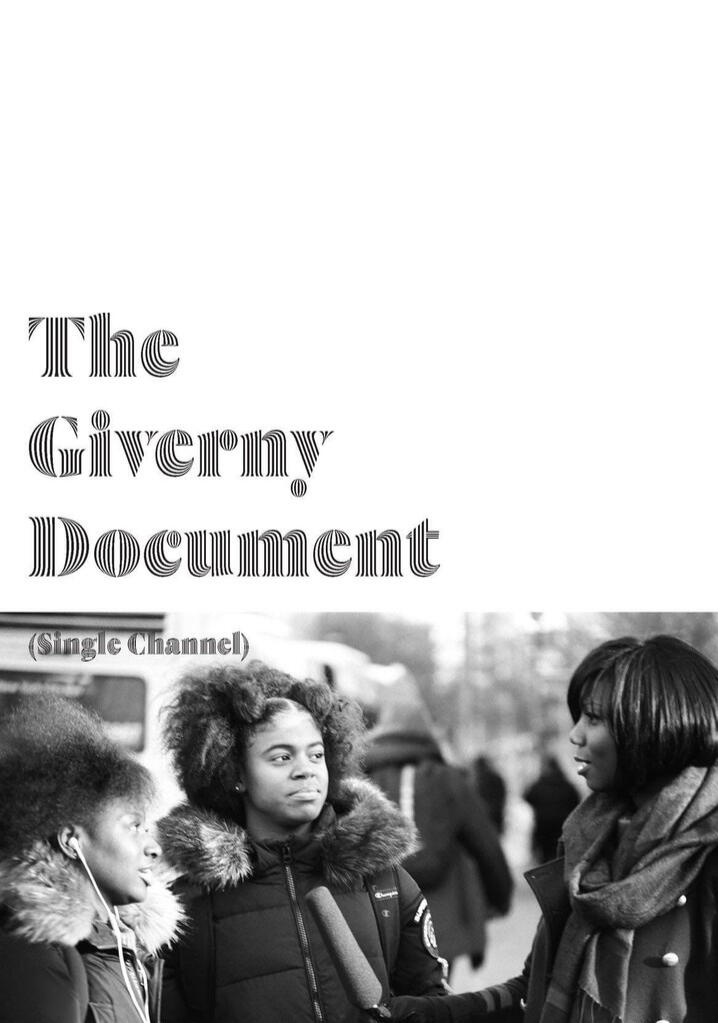
The Giverny Document (Single Channel)dir. Ja'tovia GaryInitial Release: 2019
Filmed on location in Harlem, USA and in Claude Monet’s historic gardens in Giverny, France, The Giverny Document is a multi-textured cinematic poem that meditates on the safety and bodily autonomy of Black women. Filmmaker Ja’Tovia Gary unleashes an arsenal of techniques and materials including direct animation on archival 16mm film, woman on the street interviews, and montage editing techniques to explore the creative virtuosity of Black femme performance figures while interrogating the histories of those bodies as spaces of forced labor and commodified production.Screened on February 29, 2019, followed by a virtual Q&A with Ja'Tovia Gary.
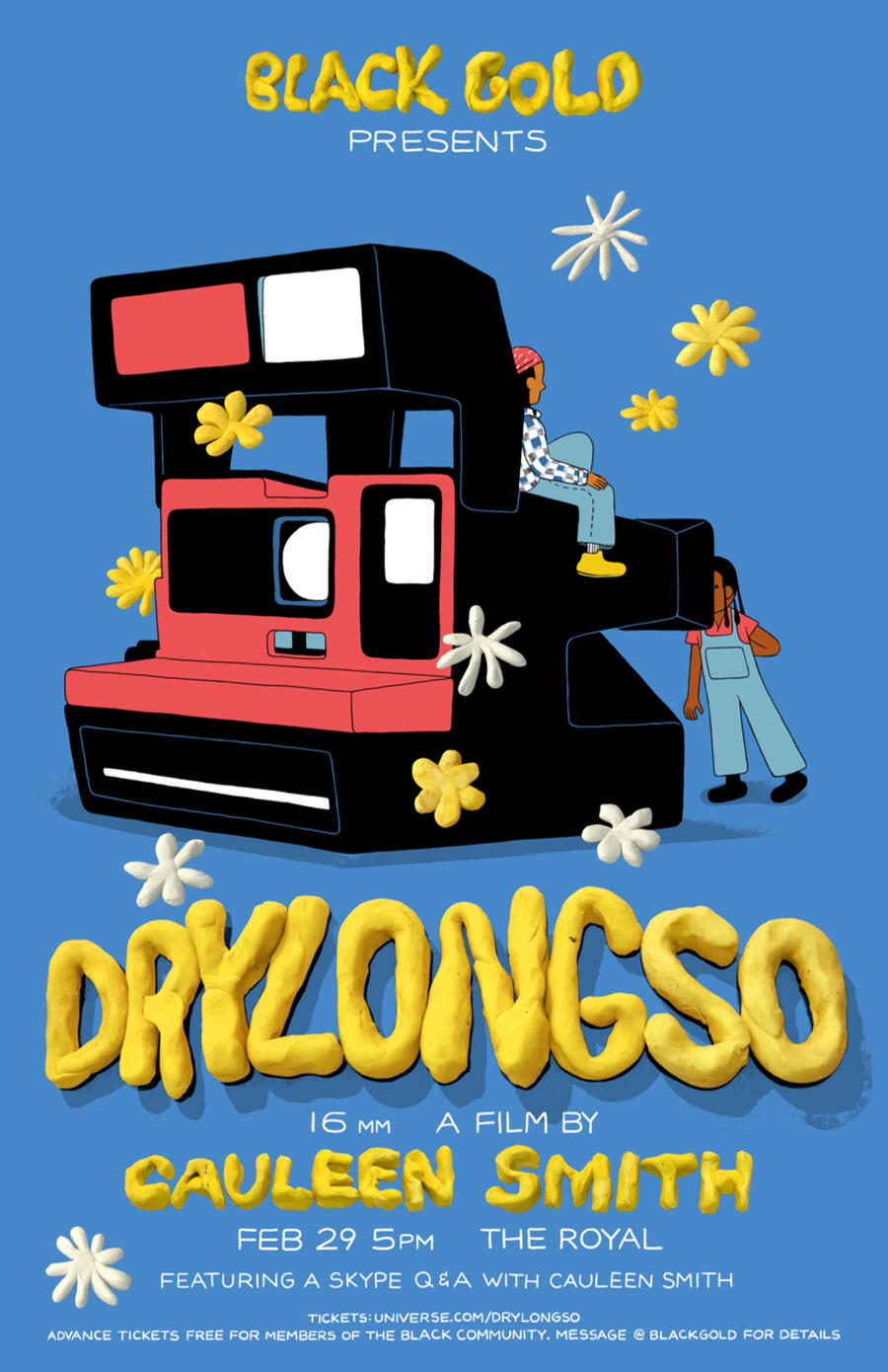
Drylongsodir. Cauleen SmithInitial Release: 1998
A touchstone of black women’s independent filmmaking, Cauleen Smith’s Drylongso embeds an incisive look at racial injustice within a lovingly handmade buddy movie/murder mystery/ romance. Alarmed by the rate at which the young Black men around her are dying—indeed, “becoming extinct,” as she sees it—brash Oakland art student Pica (Toby Smith) attempts to preserve their existence in Polaroid snapshots, along the way forging a friendship with a woman in an abusive relationship (April Barnett), experiencing love and loss, and being drawn into the search for a serial killer who is terrorizing the city. Capturing the vibrant community spirit of Oakland in the nineties, Smith crafts both a rare cinematic celebration of Black female creativity and a moving elegy for a generation of lost African American men.Screened in 16mm on February 29, 2020, followed by a virtual Q&A with Cauleen Smith.
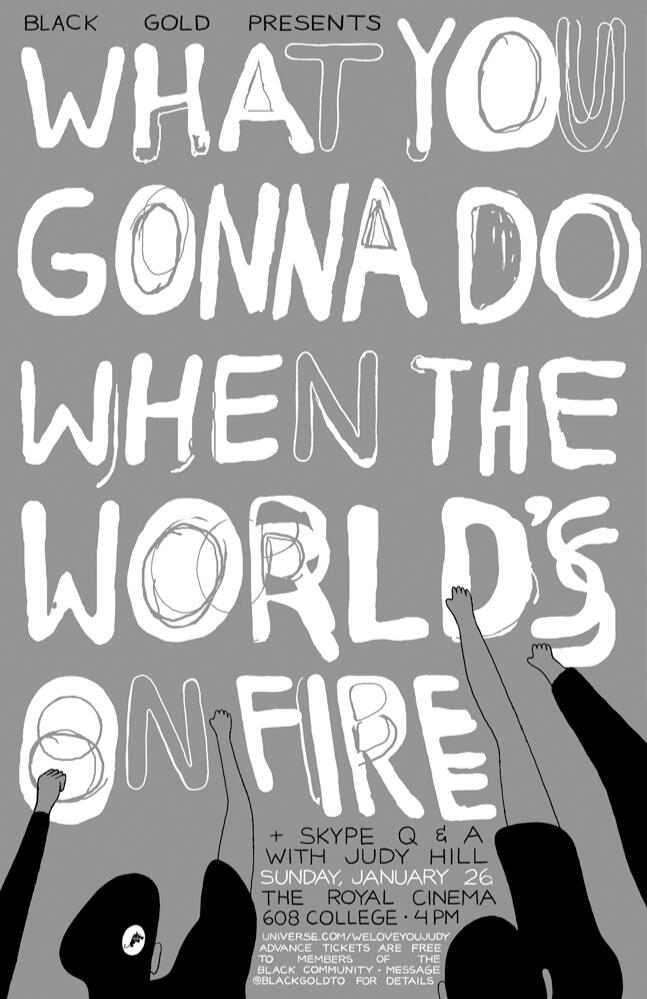
What You Gonna Do When the World's on Fire?dir. Roberto MinerviniInitial Release: 2018
Summer 2017, a string of brutal police killings of young African American men has sent shockwaves throughout the country. A Black community in the American South tries to cope with the lingering effects of the past and navigate their place in a country that is not on their side. Meanwhile, the Black Panthers prepare a large-scale protest against police brutality.Screened on January 26, 2020, followed by a virtual Q&A with the film's focus, Judy Hill.
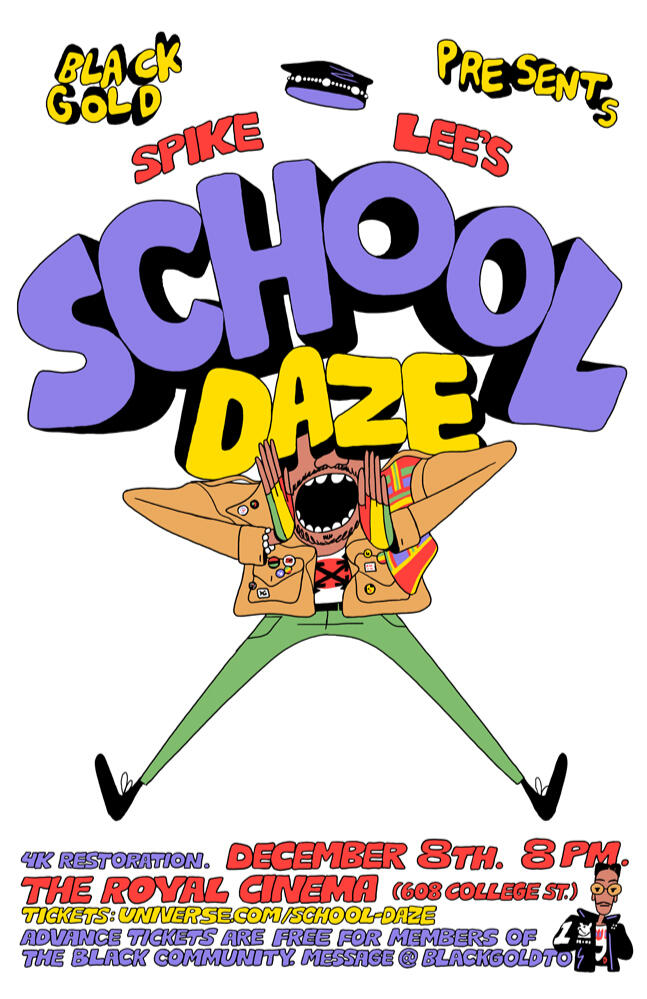
School Dazedir. Spike LeeInitial Release: 1988
Fraternity and sorority members clash with other students at a historically black college during homecoming weekend.Screened on December 8, 2019.
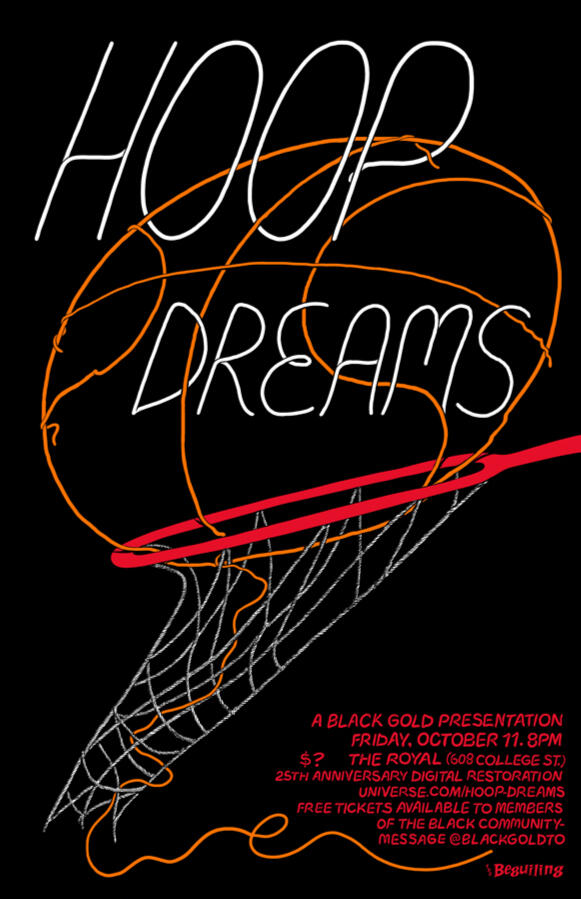
Hoop Dreamsdir. Steve JamesInitial Release: 1994
Every school day, African-American teenagers William Gates and Arthur Agee travel 90 minutes each way from inner-city Chicago to St. Joseph High School in Westchester, Illinois, a predominately white suburban school well-known for the excellence of its basketball program. Gates and Agee dream of NBA stardom, and with the support of their close-knit families, they battle the social and physical obstacles that stand in their way.Celebrating its 25th anniversary at the time of the screening, this acclaimed documentary was shot over the course of five years.Screened on October 11, 2019.

Tongues Untied (1989) & Black Is... Black AIn't (1994)dir. Marlon Riggs
Tongues Untied
Marlon Riggs, with assistance from other gay Black men, especially poet Essex Hemphill, celebrates Black men loving Black men as a revolutionary act. The film intercuts footage of Hemphill reciting his poetry, Riggs telling the story of his growing up, scenes of men in social intercourse and dance, and various comic riffs, including a visit to the “Institute of Snap!thology,” where men take lessons in how to snap their fingers: the sling snap, the point snap, the diva snap.Black Is... Black Ain't
Riggs was working on this final film as he died from AIDS-related complications in 1994; he addresses the camera from his hospital bed in several scenes. The film directly addresses sexism and homophobia within the black community, with snippets of misogynistic and anti-gay slurs from popular hip-hop songs juxtaposed with interviews with African-American intellectuals and political theorists, including Cornel West, bell hooks and Angela DavisScreened on June 19, 2019.

Hyenasdir. Djibril Diop MambétyInitial Release: 1993
A now-rich woman returns to her poor desert hometown to propose a deal to the populace: her fortune, in exchange for the death of the man who years earlier abandoned her and left her with his child.Screened on May 17, 2019. Canadian premiere of 4K restoration.

Soleil Ôdir. Med HondoInitial Release: 1970
A native of Mauritania is chosen to travel to Paris in search of a job, but he shortly faces a hostile society in which his sheer existence instills fear and resentment.Screened on April 23, 2019.
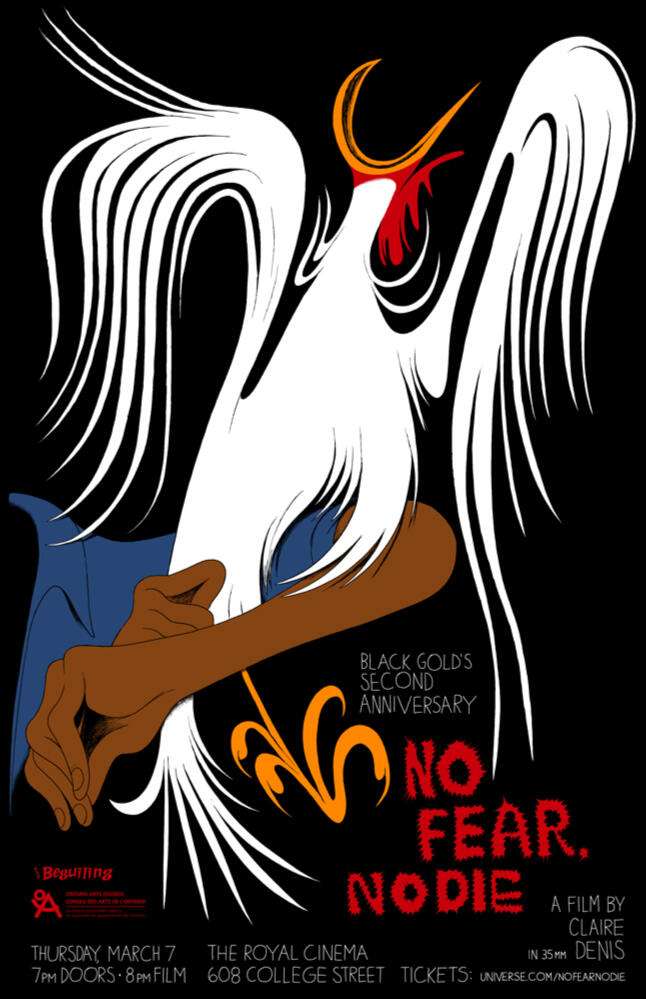
No Fear, No Diedir. Claire DenisInitial Release: 1990
Inspired by the writings of anticolonialist philosopher Frantz Fanon, Claire Denis’s thrillingly intense second feature is a moody exploration of immigrant alienation. Two young men living in France, Dah (Isaach De Bankolé) from Benin and Jocelyn (Alex Descas) from the Caribbean, make money through illegal cockfighting. As Pierre (Jean-Claude Brialy), the French owner of the restaurant where the fights take place, pushes them to make the events more violent, the disillusioned Jocelyn begins looking for a way out from the sordid dealings that surround him.Screened in 35mm on March 7, 2019, marking Black Gold's second anniversary.
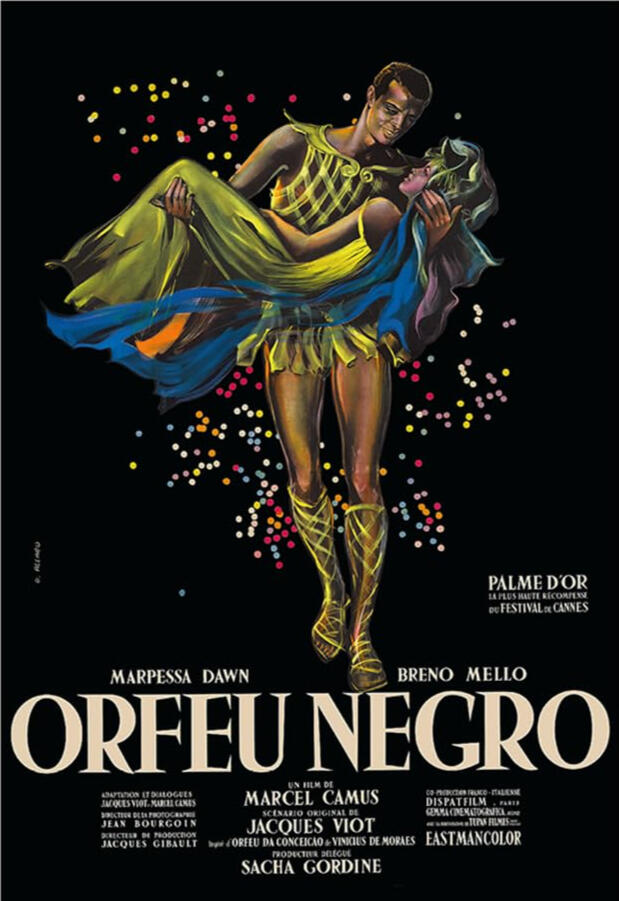
Black Orpheusdir. Marcel CamusInitial Release: 1959
Young lovers Orfeu and Eurydice run through the favelas of Rio during Carnaval, on the lam from a hitman dressed like Death and Orfeu’s vengeful fiancée Mira and passing between moments of fantasy and stark reality. This impressionistic retelling of the Greek legend of Orpheus and Eurydice introduced bossa nova to the world with its soundtrack by young Brazilian composers Luiz Bonfá and Antonio Carlos Jobim.Screened in 35mm on February 20, 2019 to celebrate the 60th anniversary of the film. Featured a Carnival-inspired performance from Zyra Lee Vanity.

Hale County This Morning, This Eveningdir. RaMell RossInitial Release: 2018
How does one express the reality of individuals whose public image, lives, and humanity originate in exploitation? Photographer and filmmaker RaMell Ross employs the integrity of nonfiction filmmaking and the currency of stereotypical imagery to fill in the gaps between individual black male icons. Hale County This Morning, This Evening is a lyrical innovation to the form of portraiture that boldly ruptures racist aesthetic frameworks that have historically constricted the expression of African American men on film.In the lives of protagonists Daniel and Quincy, quotidian moments and the surrounding southern landscape are given importance, drawing poetic comparisons between historical symbols and the African American banal. Images are woven together to replace narrative arc with visual movements. As Ross crafts an inspired tapestry made up of time, the human soul, history, environmental wonder, sociology, and cosmic phenomena, a new aesthetic framework emerges that offers a new way of seeing and experiencing the heat, and the hearts of people in the Black Belt region of the U.S. as well far beyond.Screened on January 10, 2019. Toronto premiere.

New Jack Citydir. Mario Van PeeblesInitial Release: 1991
Drug tycoon Nino Brown (Wesley Snipes) and his minions, known collectively as the Cash Money Brothers, have rapidly risen to the top of the New York City narcotics trade. Under Nino's heartless leadership, the drug operation has grown into a multimillion-dollar empire. Scotty (Ice-T) and Nick (Judd Nelson), two police officers who know their way around the streets of Harlem, aim to bring Nino and his cohorts down. To do so, though, they'll have to play by Nino's rules and go undercover.Screened in 35mm on December 6, 2018.
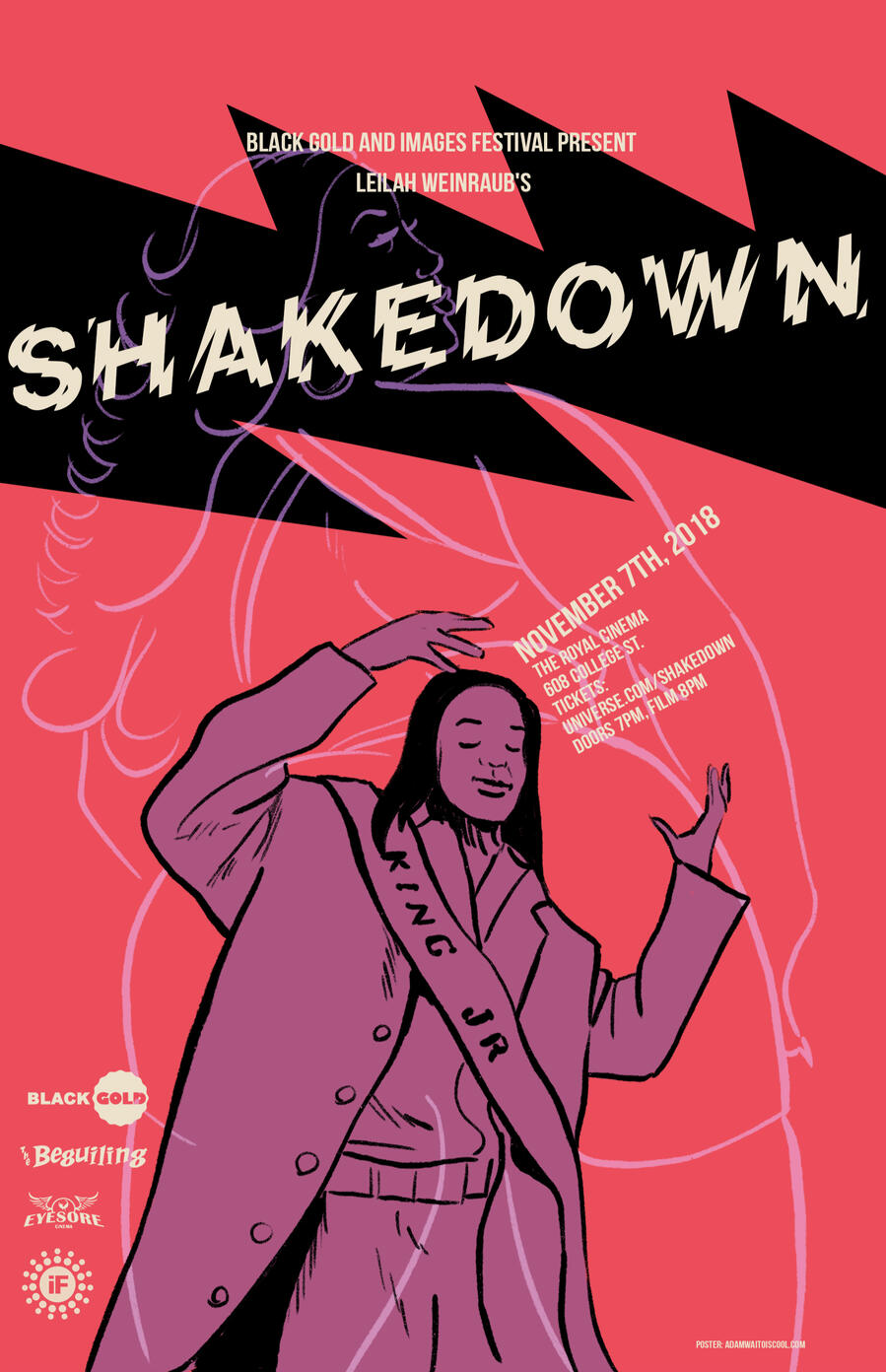
Shakedowndir. Leilah WeinraubInitial Release: 2018
Shakedown is the story of Los Angeles’ black lesbian strip club scene and its genesis. Owned and operated by women, underground and illegal in nature, the club Shakedown is the darker, faster, younger iteration of this dance culture. The film is a window into this world. Shakedown emerged from a post-RIOTS, post-OJ, post-integration but still very racially divided Los Angeles. In this divided city Shakedown is an independent, all black and all female cash economy. Shakedown chronicles the explicit performances and personal relationships of the party’s dancers and organizers including Ronnie-Ron, Shakedown Productions’ creator and emcee; Mahogany, the legendary “mother” of the community; Egypt, their star performer; and Jazmine, the “Queen” of Shakedown.Presented with Images Festival. Screened on November 7, 2018.
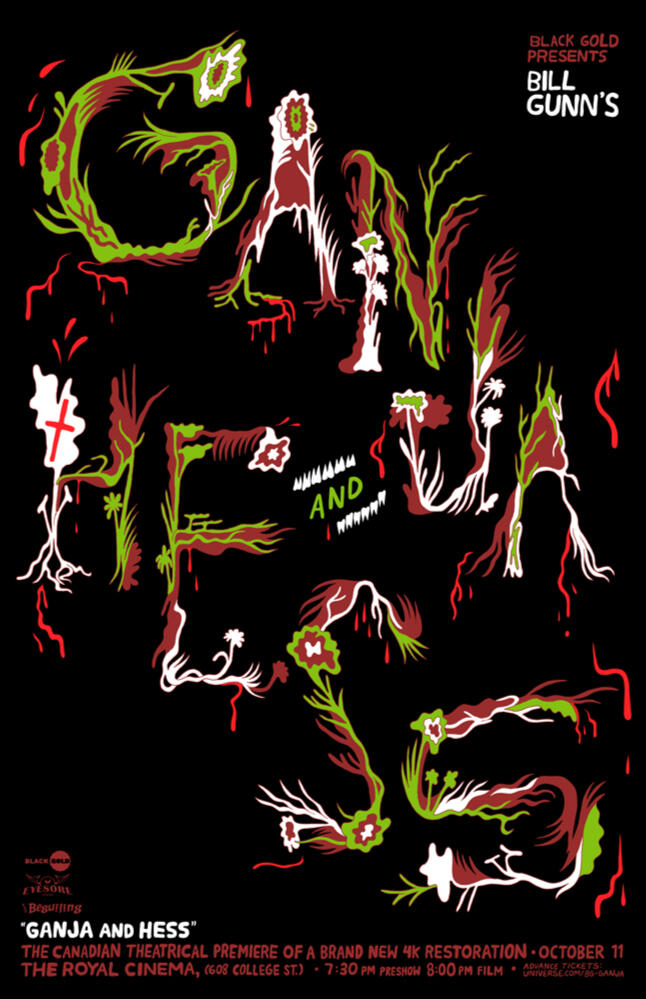
Ganja & Hessdir. Bill GunnInitial Release: 1973
Flirting with the conventions of blaxploitation and horror, Bill Gunn’s revolutionary independent film Ganja & Hess is a highly stylized and utterly original treatise on sex, religion, and African American identity. Duane Jones stars as anthropologist Hess Green, who is stabbed with an ancient ceremonial dagger by his unstable assistant (director Bill Gunn), bestowing upon him the blessing of immortality... and the curse of an unquenchable thirst for blood. When the assistant’s beautiful and outspoken wife Ganja (Marlene Clark) comes searching for her missing husband, she and Hess form an unexpected partnership. Together, they explore just how much power blood holds.Screened on October 11, 2018.
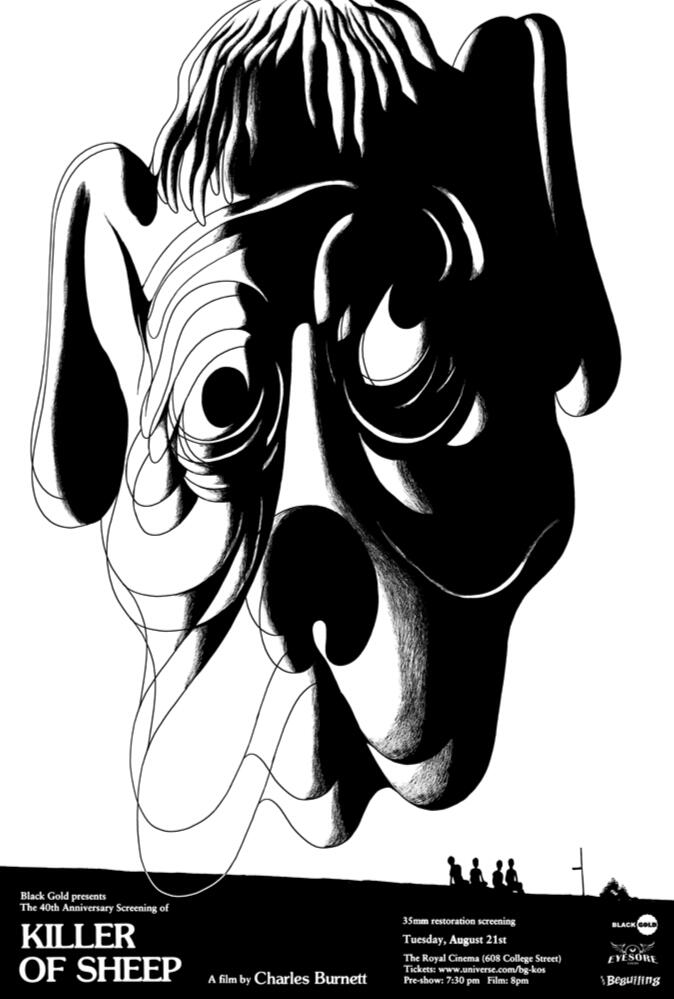
Killer of Sheepdir. Charles BurnettInitial Release: 1978
Set in the Watts neighborhood of Los Angeles, this neorealist drama from acclaimed director Charles Burnett follows Stan (Henry G. Sanders), a slaughterhouse worker worn down by the quiet weight of poverty, family responsibility, and emotional fatigue. Shot on a shoestring budget with poetic intimacy, the film captures the rhythms of everyday Black life rarely seen onscreenScreened on August 21, 2018.
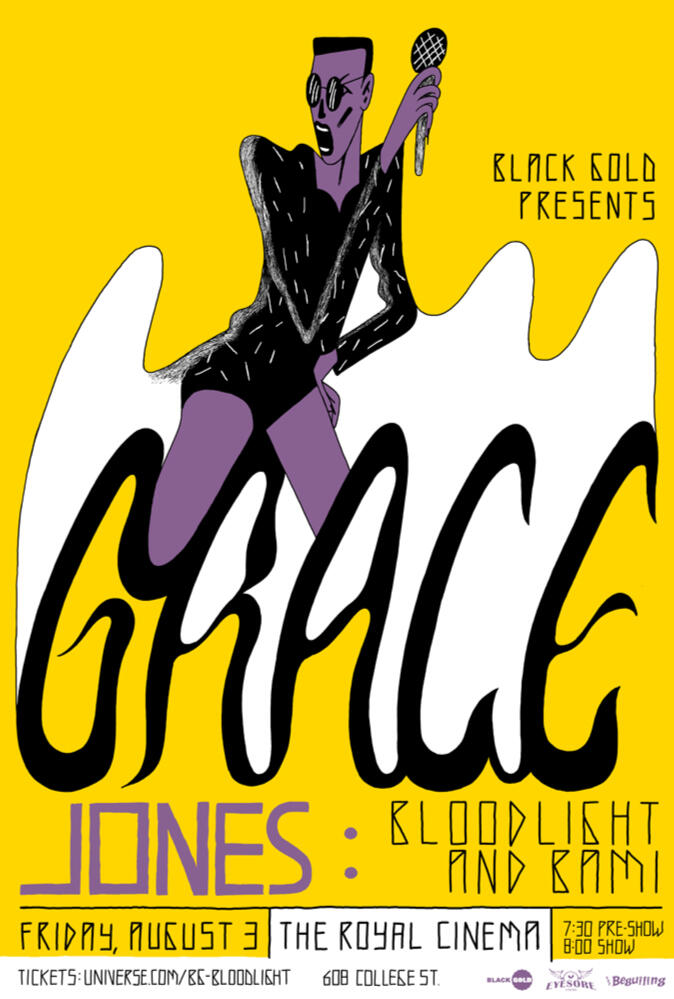
Grace Jones: Bloodlight and Bamidir. Sophie FiennesInitial Release: 2017
An intimate documentary as stylish and unconventional as its subject, Grace Jones: Bloodlight and Bami alternates between the public and private spheres of the pop-culture mega-icon of the title. Contrasting thrilling musical sequences with intimate personal footage, director Sophie Fiennes (The Pervert’s Guide to Cinema) follows Jones to her Jamaican hometown, into the studio with longtime collaborators Sly & Robbie, and on the various stages of her sexually charged, cutting-edge live shows—featuring performances of “Slave to the Rhythm,” “Pull Up to the Bumper,” and “Love Is the Drug.”Screened on August 3, 2018.
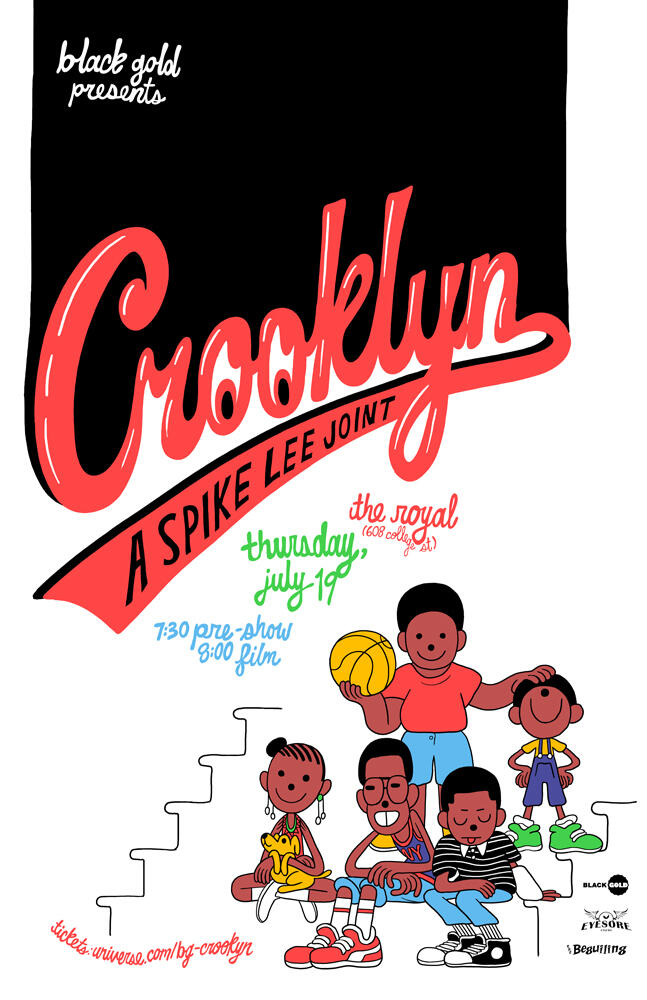
Crooklyndir. Spike LeeInitial Release: 1994
Written by director Spike Lee and his siblings, Crooklyn is a breezy, cheerful, episodic, relaxed portrait of African-American domesticity and summer life in Brooklyn during 1973. Alfre Woodard and Delroy Lindo create a full-bodied portrait of the parents, but the main point of view is from young daughter Troy (Zelda Harris), through whose perspective we observe a wide variety of neighborhood characters. These include Spike Lee himself as glue-huffing burnout Snuffy, as well as a legendary cameo by supermodel of the world RuPaul joyfully misbehaving in a local bodega. This unpredictable film includes experiments with cinematography (a segment of the film switches to anamorphic lens, for example) as well as emotional shifts in tone that guide the loose narrative. Also including a fantastic period soundtrack, Crooklyn invites audiences to look at Black experience through Troy’s eyes, to enter spaces of her emotional universe, to experience the intimate world of family and friends that grounds her being and gives her life meaning.Screened on July 19, 2018.
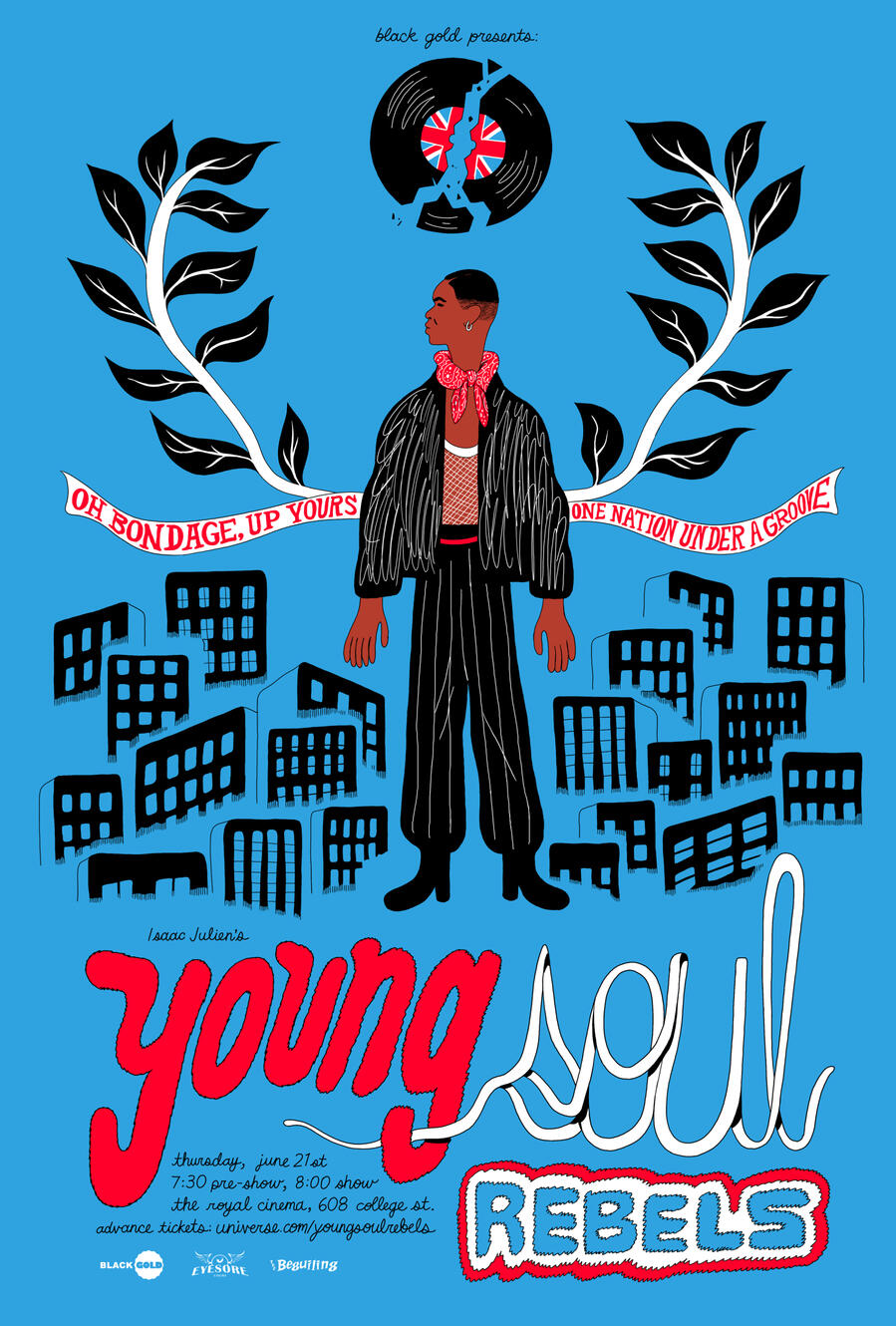
Young Soul Rebelsdir. Isaac JulienInitial Release: 1991
The debut feature film from director Isaac Julien, Young Soul Rebels is a fascinating look at British culture in the late 1970s.Young soul DJ Chris becomes implicated in a murder. Thei film is set in 1977, during the week of the Queen's Silver Jubilee. Together with his partner Caz, Chris, a young black London DJ, runs pirate radio station Soul Patrol from an East End garage. When a mutual friend is murdered whilst cruising in a London park, Chris is arrested for the murder.Screened on June 21, 2018.

Purple Raindir. Albert MagnoliInitial Release: 1984–Sign "☮" the Timesdir. Prince, Albert Magnoli, David HoganInitial Release: 1987
Purple Rain
A victim of his own anger, the Kid is a Minneapolis musician on the rise with his band, the Revolution, escaping a tumultuous home life through music. While trying to avoid making the same mistakes as his truculent father, the Kid navigates the club scene and a rocky relationship with a captivating singer, Apollonia. But another musician, Morris, looks to steal the Kid’s spotlight—and his girl.Sign "☮" the Times
Punctuated with specially-filmed, dramatic vignettes, Prince and his band bring his Grammy-nominated album "Sign 'o' the Times" to life in one of the greatest concert films ever made, capturing Prince at the peak of his musical powers.Screened on April 21, 2018.
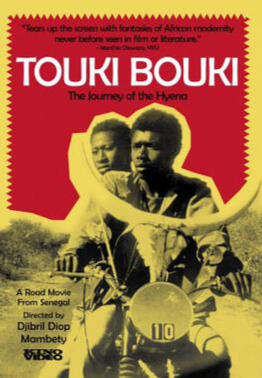
Touki boukidir. Djibril Diop MambétyInitial Release: 1973
With a stunning mix of the surreal and the naturalistic, Djibril Diop Mambéty paints a fractured portrait of the disenchantment of postindependence Senegal in the early 1970s. In this picaresque fantasy-drama, the disaffected young lovers Anta and Mory, fed up with Dakar, long to escape to the glamour and comforts they imagine France has to offer, but their plan is confounded by obstacles both practical and mystical. Alternately manic and meditative, Touki bouki has an avant-garde sensibility characterized by vivid imagery, bleak humor, unconventional editing, and jagged soundscapes, and it demonstrates Mambéty’s commitment to telling African stories in new ways.Screened on May 18, 2018.